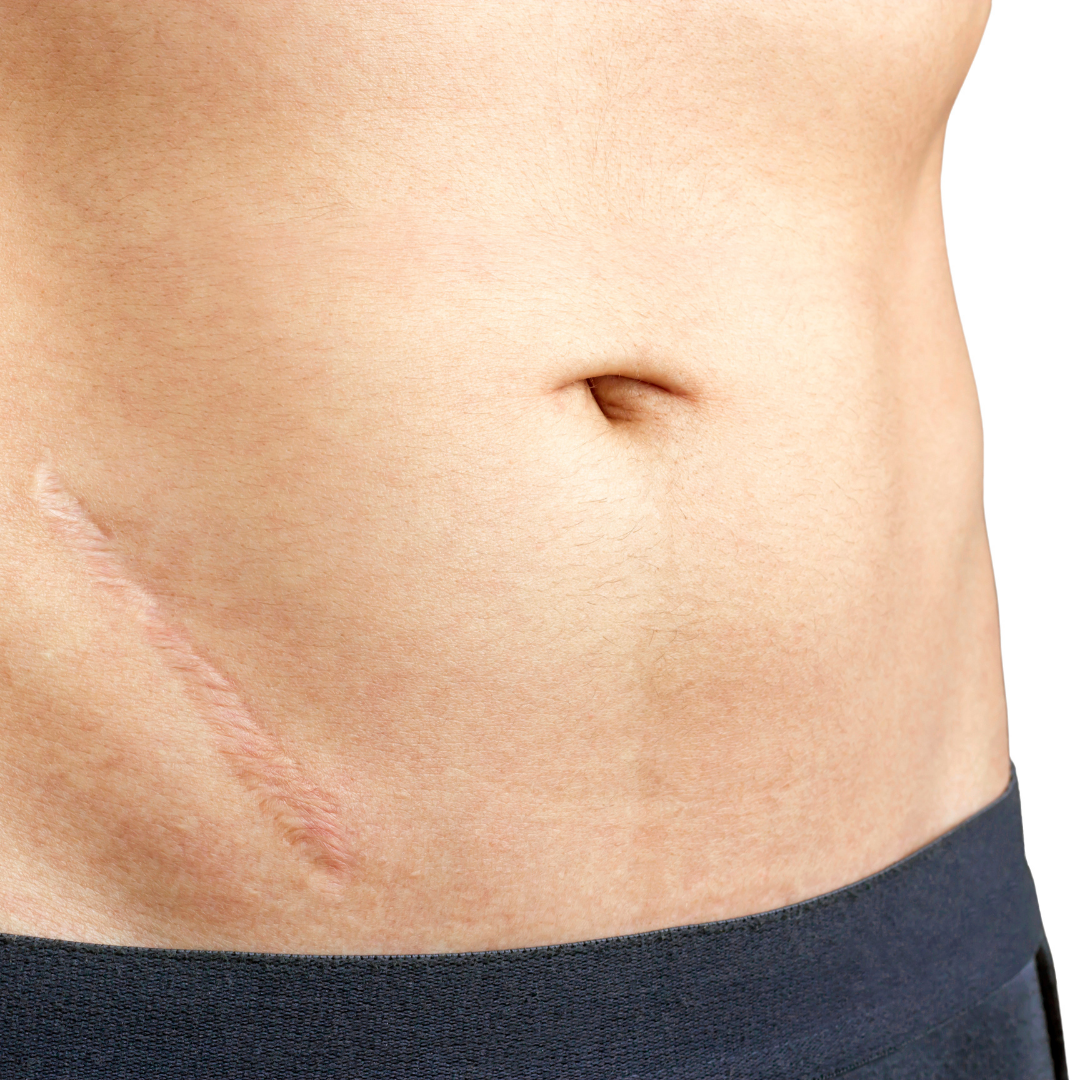
Every Scar Tells a Story.

Let's Help Your Body Write the Next Chapter.
Scars mark significant moments — surgeries that saved you, births that changed everything, procedures or injuries that left their mark in more ways than one. The impact doesn't stay at the surface. Scar tissue forms through every layer the surgery or injury passed through, and it goes on shaping how your body moves and feels long after the initial healing. Whether your scar is six weeks old or twenty years old there's still work we can do together.
Scars Run Deeper Than the Surface
The line on your skin is only the beginning. Beneath it, scar tissue forms across every layer the surgery passed through — subcutaneous fat, fascia, muscle, sometimes organs. Those layers need to glide freely against each other for you to move without restriction. When scar tissue adheres them together, the effects show up in ways that often don't get traced back to the original injury.
A C-section scar that's tugging can create low back pain. A mastectomy scar that's bound can limit shoulder mobility. Abdominal surgery from decades ago can still be generating compensatory patterns today. Your body is good at adapting — but sometimes it needs an extra nudge.
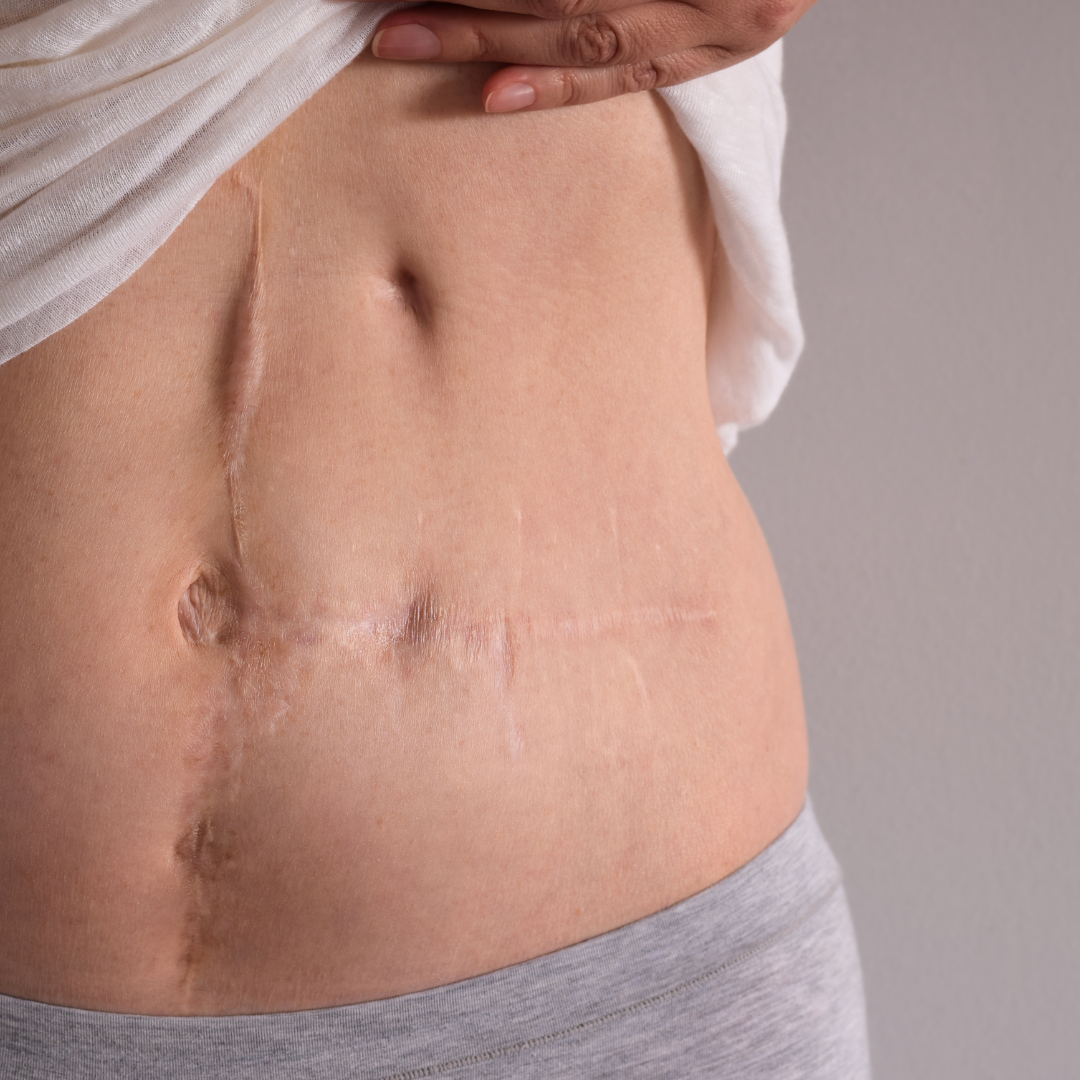
Every scar tells a story. Every body deserves healing. Every scar deserves comprehensive care.
Scar therapy isn't a single technique — and it's not only about the scar.
We bring decades of clinical experience and a wide range of manual therapy tools to each session, drawing on whatever is most useful for where you are in your healing. Sometimes that's focused work directly at the scar. Often it's work throughout the body — addressing the hip that's been compensating, the back that's been bracing, the shoulder that's been guarding since surgery. Scars create adaptations far from the incision site, and those patterns deserve attention too.
Real massage — full-body, integrative, responsive to what your tissue is actually doing — is part of this work. We're not hovering over a scar with a single tool. We're working with you as a whole person, with a scar that lives inside a body that has been managing and adapting.
Our bodywork is grounded in a three-dimensional understanding of how tissue is organized — not just what you can feel at the surface, but how each layer connects to the next, and where restrictions are actually forming.
We treat scars from C-sections, mastectomy and breast surgeries, hysterectomy, abdominal surgeries, orthopedic procedures, cosmetic surgeries, and traumatic injuries — at any stage of healing, whether you're newly cleared or years out from your surgery.
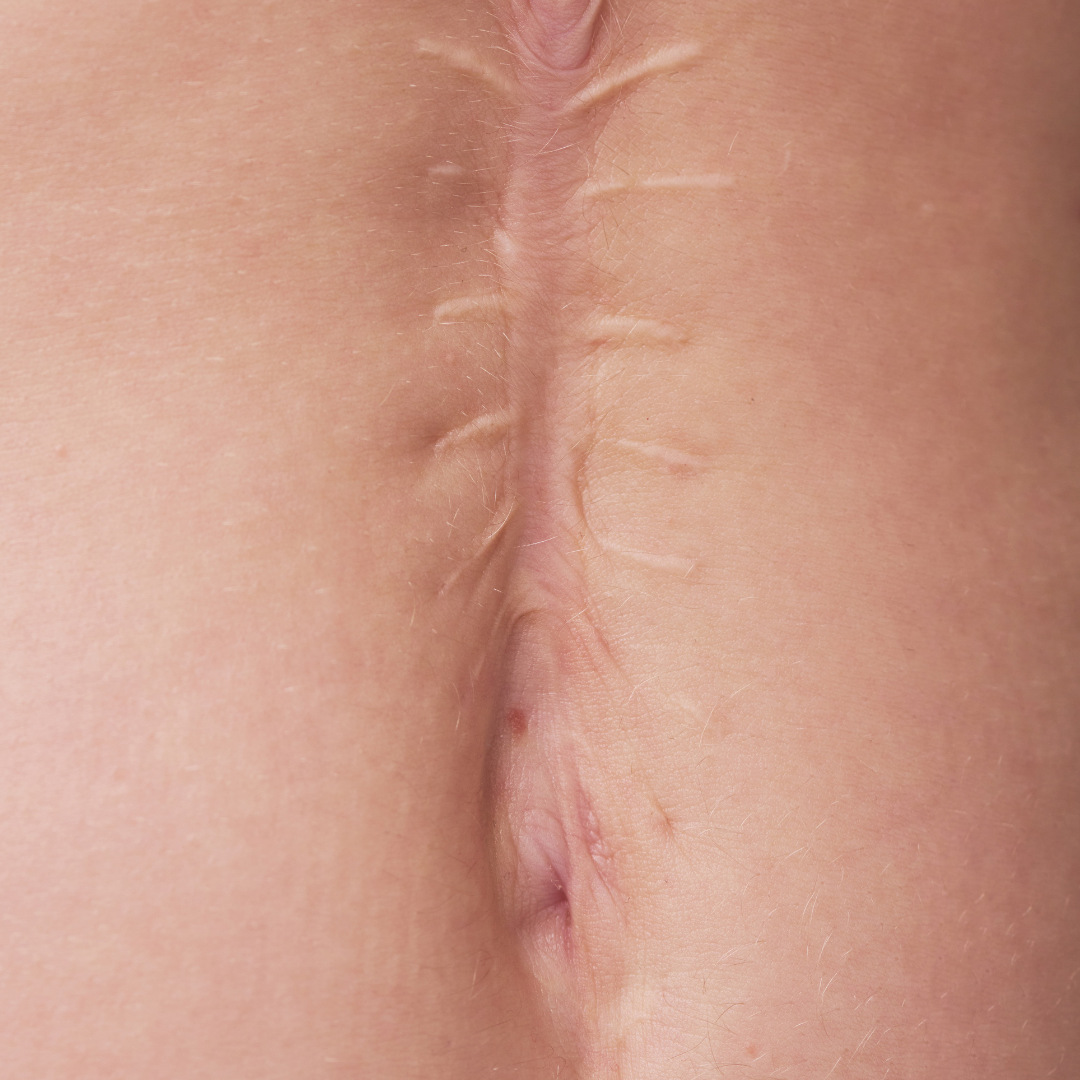
Your Treatment Journey
How many sessions will I need?
Scar release is a process. While you may notice improvements after your first session, most clients achieve optimal results through a series of treatments - typically around five sessions. This allows us to address the scar tissue at multiple tissue depths, work through layers of restrictions progressively, allow your body time to integrate changes between sessions, and address compensatory patterns throughout your body for comprehensive results.
What can I expect to feel?
Many clients notice immediate improvements in tissue mobility, pain reduction, and scar appearance across their treatment series. You may experience improved range of motion, reduced pain at the scar site and throughout the body, softer and more mobile scar tissue, decreased redness or discoloration, better posture and movement patterns, and relief from chronic pain you didn't even realize was connected to your scar.
How do I get started?
Contact us to schedule your initial assessment. We'll discuss your surgical history, current symptoms, and treatment goals.
Initial Assessment & Treatment: 90 minutes | $259
Follow-Up Sessions: 60 minutes | $199