
C-section Scar Massage
C-section is the most common surgery in the world. And yet it's easy to forget that this is major abdominal surgery — one that moves through multiple layers of tissue, from skin to subcutaneous fat to fascia to muscle, before the surgeon ever reaches the uterus. Each of those layers heals.
Sometimes scars integrate seamlessly. Sometimes they need a little nudging — to move more freely, to reconnect with the surrounding tissue, to stop creating patterns elsewhere in the body. That's where specialized scar massage comes in.
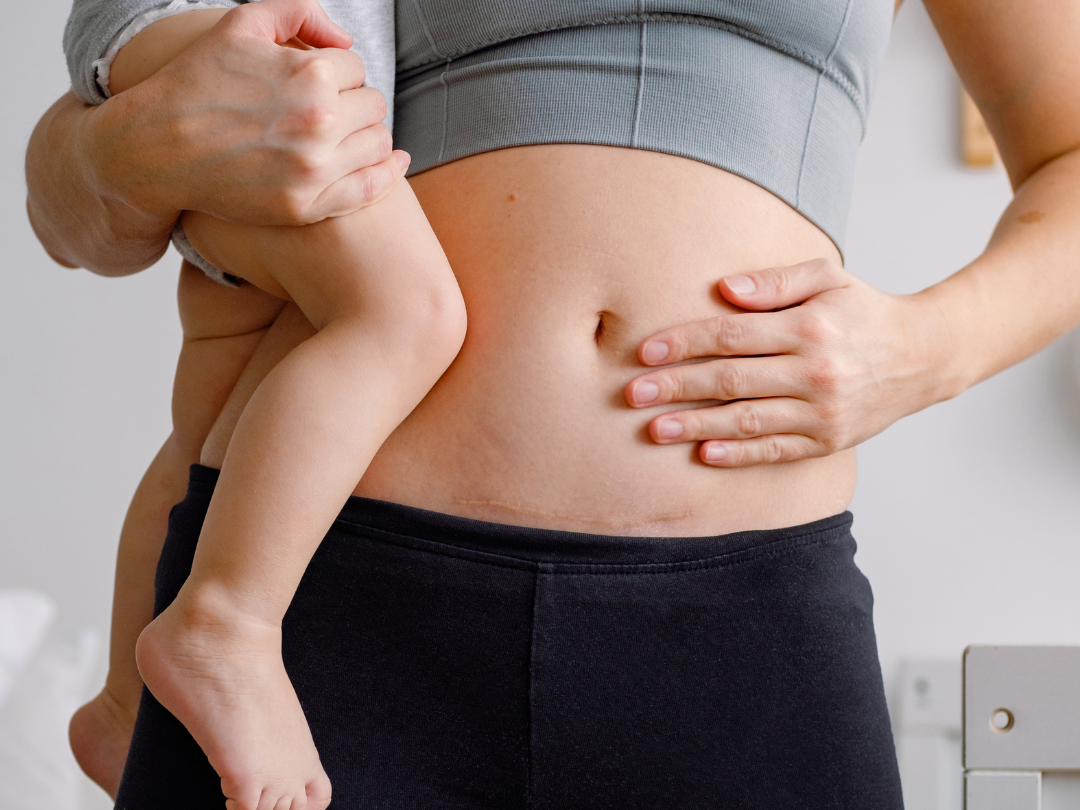
Healing in Layers
Skin, subcutaneous fat, fascia, muscle, and uterus — each layer was disrupted by surgery and each scarred to heal. This means that scars can run deep, far deeper than the line at the skin's surface.
But it's not just each individual layer that's affected — it's how the layers work together. Healthy tissue layers glide and slide against each other, and that's what allows you to move freely. When scars form, they adhere tissues together, and movement can be restricted. These adhesions can form between any of the layers involved in your surgery, and they're rarely addressed in standard postpartum care.
This is fascia work. Scar tissue is made of the same material as fascia — collagen. As the body heals, it's in the fascial layers where adhesions form, where tissue gets stuck, and where layers that should glide freely against each other begin to adhere.
The result can show up as:
Pulling or tightness when you reach, twist, or extend
Scar that puckers or adheres to deeper tissues
Low back, hip, or pelvic pain that seems unrelated to the scar
Difficulty reconnecting with or engaging your core
A feeling of disconnection from your own belly
These aren't signs that something went wrong. They're signs that your body has adapted — and that it might benefit from a little support.
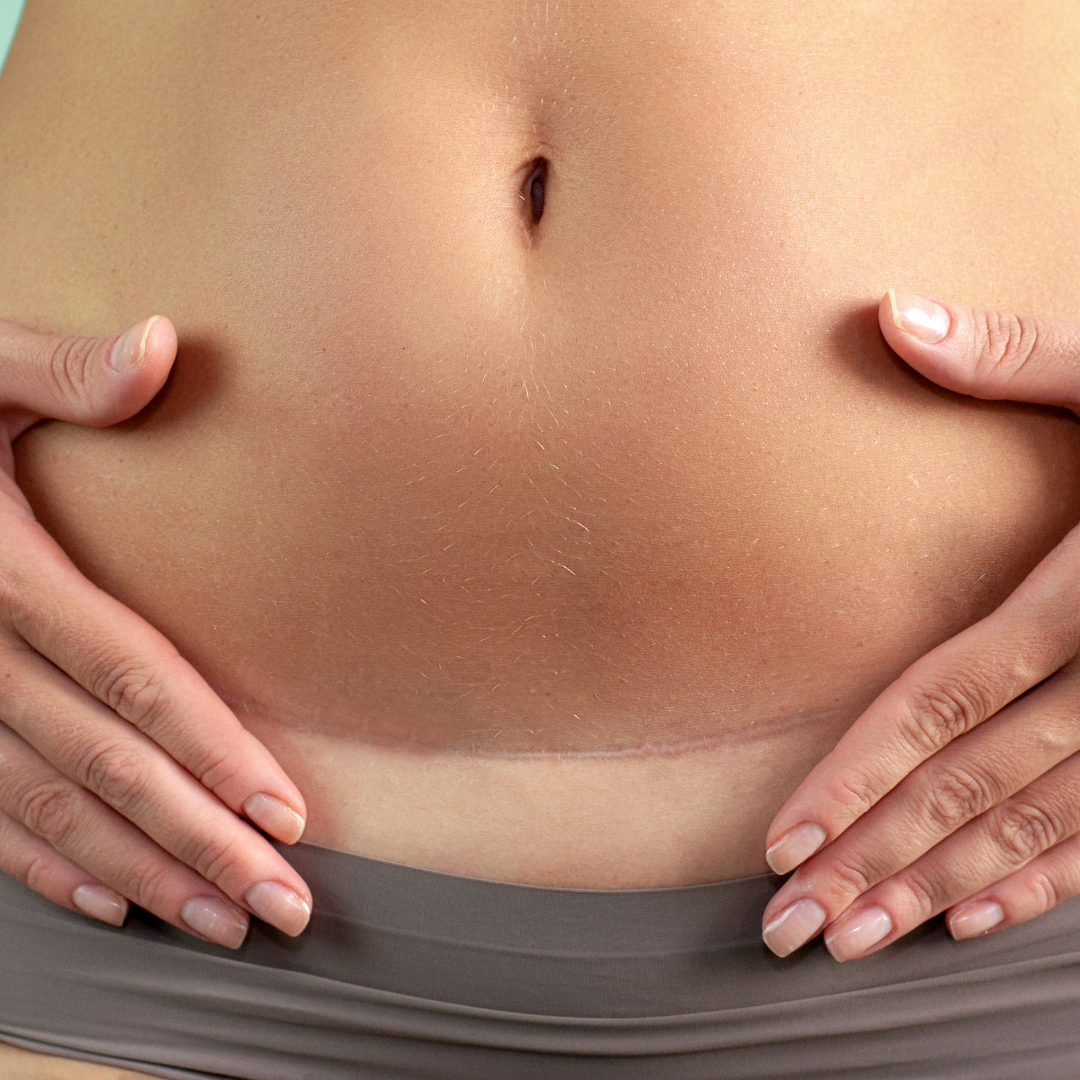
Every scar tells a story. Every body deserves healing. Every scar deserves comprehensive care.
Not just post-surgical healing — postpartum healing.
As your body healed from surgery, you were also postpartum. This matters.
Abdominal surgery is always a disruption to your core — but for C-sections, pregnancy had already changed the landscape. Your abdominal wall, your core, your low back, and your pelvic floor have all been adapting for months during pregnancy. Hormones had softened and loosened your tissues. You may have a diastasis recti. And then, on top of all of that, came major surgery. And healing from that surgery in a postpartum hormone soup while you learned to care for your newborn.
Scar therapy for C-sections has to account for all of it — not just the incision, but the larger context of pregnancy and postpartum.
We bring a trauma-informed approach to every session — following your lead, honoring your pace. We work with C-section scars at any stage, whether you were cleared at eight weeks postpartum or your surgery was five years ago.
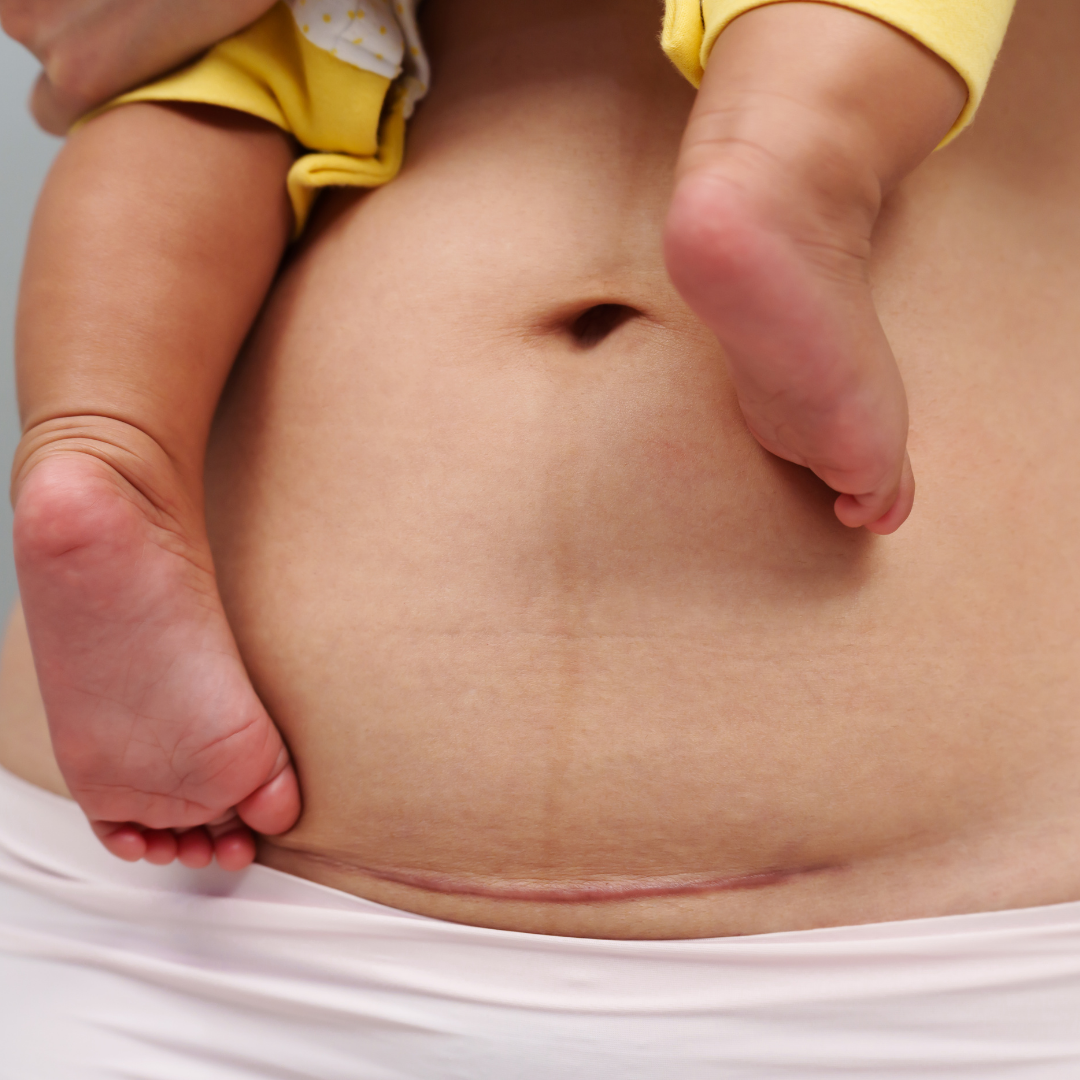
Our Approach to Scars & Fascia
Our approach is grounded in understanding the complex, three-dimensional nature of scar tissue — and the postpartum body it lives in. When we work with C-section scars, we consider every layer — each fascial connection and compensatory pattern — while always centering your experience, your comfort, and your pace.
Scar work is fascia work. Scar tissue and fascia share the same fundamental material — collagen — and as scars form, it's the fascial layers where the most significant changes can be found. We bring a strong understanding of how fascia is organized, how it behaves, and how it responds to load to our scar work.
Our work is rooted in education, precision, and partnership. We bring deep anatomical insight and skilled, attentive touch to help you understand what's happening beneath the surface and to participate actively in your own healing.
This approach is led by Nicole Trombley, director of Equilibrio and co-founder of AnatomySCAPES. Nicole studies and teaches fascial anatomy in the dissection lab to other hands-on therapists. She teaches and writes on fascia and scar tissue for Massage & Bodywork Magazine and through AnatomySCAPES has trained professionals nationwide. Our team is trained in her protocol and brings the same knowledge and care to every session.
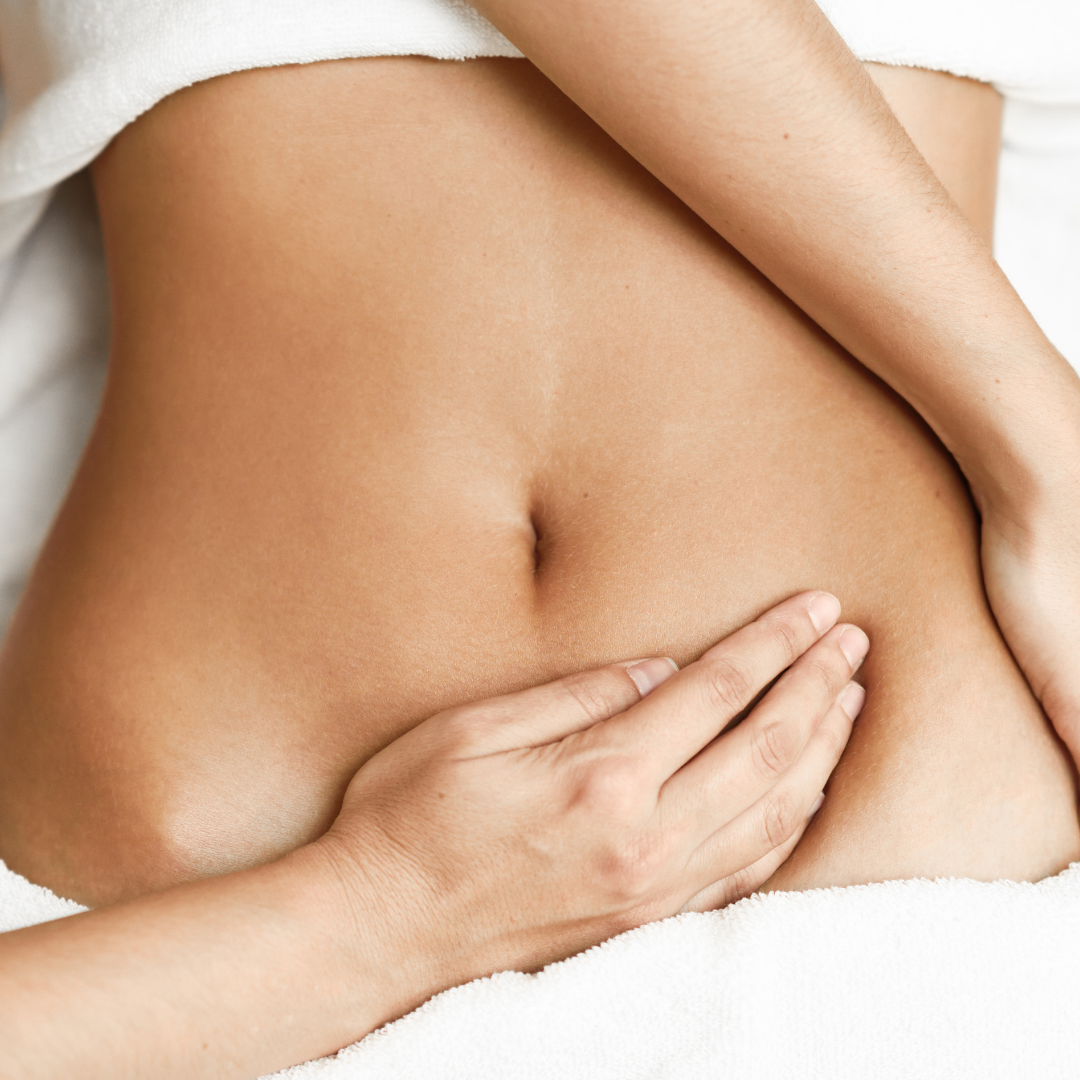
The Treatment Journey
How many sessions will I need?
Scar work is a process, not a single event. Most clients work with us over approximately five sessions — enough time to work through layers progressively, allow your body to integrate change between appointments, and build a home practice that extends the work long after we're done. Some need fewer sessions. Some continue beyond five. We need to follow your tissue and experience, not a fixed timeline.
What can I expect to feel?
Clients commonly notice changes in how the scar moves and feels, reduced pulling or tightness with everyday movement, and relief from pain they didn't connect to their C-section. You'll also leave each session with a clearer understanding of your own tissue, what you're feeling, and why.
How do I get started?
Book your initial session below. We'll discuss your birth experience, your scar history, your current symptoms, and your goals — and then we get to work.
Initial Assessment & Treatment: 90 minutes | $259
Follow-Up Sessions: 60 minutes | $199